From Reading Room to Community Room: How Shared Spaces Support Local Projects
A shared community room can host quiet reading and local projects side by side. Learn how layout, storage and scheduling help groups work together.
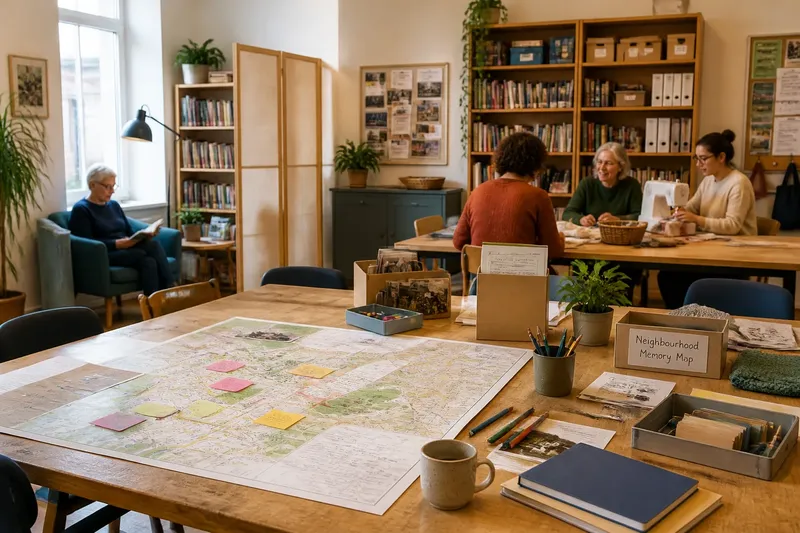
A shared community room works best when its layout supports the activity, not just the furniture. Keep a reading corner for quiet use, and the same room can also host a repair circle, a map-making session or a neighbourhood display—provided each activity has a workable place and time.
What makes a community room a shared space?
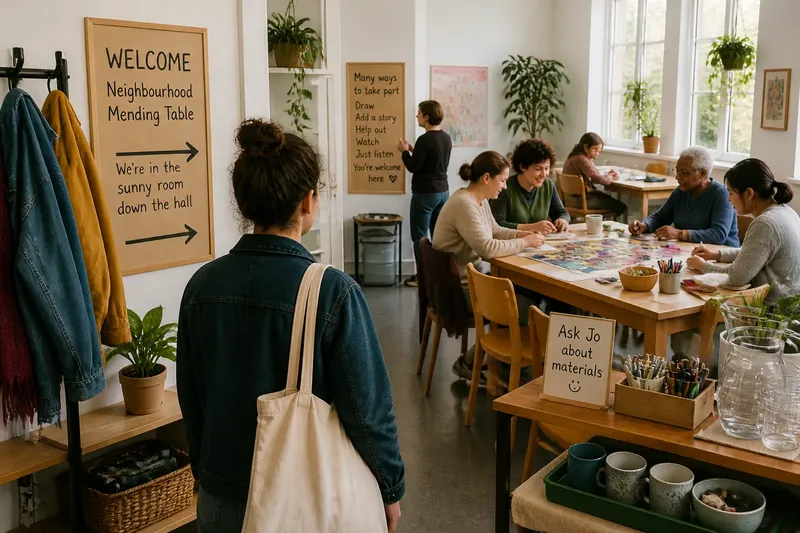
A shared space is shaped by the people using it and the work they do together. A former reading room might still offer books and calm corners while making room for a sewing machine, a communal meal-planning session or a local history project. People need not share one interest or take part in the same way; the room should make room for different contributions.
That does not mean every activity belongs in every room. Sound carries, work surfaces fill up, and materials need secure storage. The useful question is which combination of activities the room can support without one use crowding out another.
Why do some reading rooms take on collective projects?
A quiet reading room is organised around individual concentration. That can serve readers well, but it leaves little room for conversation, shared tools or work that unfolds over several sessions. When a community space takes on a collective project, the room becomes part of the work: people need to coordinate access, share materials and decide what happens to the result.
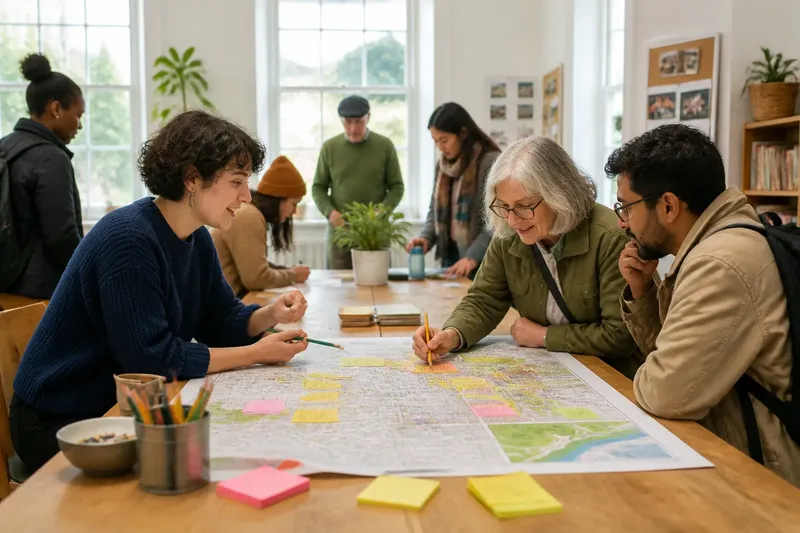
Imagine a library annex with a long table, local history books and a small adjoining room. Organisers keep the adjoining room available for quiet reading and use the table for a neighbourhood memory map. They set out paper maps, pencils and a folder for contributions, then store the materials together between sessions. The expected observable result is a developing map that people can add to, while readers retain a separate calm area. The trade-off is less table space for other projects during those sessions.
How can one room accommodate different kinds of work?
Arrange areas around practical needs. A quiet corner may need distance from conversation and easy access to books; a making table may need a wipe-clean surface, nearby storage and clear floor space for chairs. A movable screen can soften distractions, while folding tables and stackable chairs make it easier to clear the room after a session.
Choose storage that suits the project. Labelled boxes can hold ongoing work, while a lockable cupboard may be appropriate for tools or materials that should not be left out. Agree who can use each item and where it goes after a session. The decision should follow the actual activity: if materials need to stay assembled, reserve suitable storage; if they do not, clear the table for the next group.
Sound also needs an agreed approach. A conversation-friendly room need not be loud, and quiet use need not mean absolute silence. For example, people might keep phone calls outside and move longer discussions to the table. Agree a simple routine that fits the room, then adjust it if users find it interferes with their work.
What should organisers consider before changing a room?
Can several activities happen at once?
Consider how sound, movement and access pass through the room. If discussion makes quiet reading difficult, schedule the activities at different times; if they can coexist without obstructing one another, mark out distinct areas with furniture.
Which furniture suits a changing room?
Light chairs, folding tables and movable screens can support a quick rearrangement; sturdy shelving and cupboards can keep materials contained. If users cannot move an item safely or return it easily, choose a simpler alternative or arrange help with resetting.
How can regular users shape a project space?
Ask people who use the room for different purposes what helps and what gets in the way. If several users point to the same practical obstacle, discuss a change with them; if needs conflict, try a time-sharing arrangement before committing to a permanent layout.
When should a group choose another venue?
If an activity needs equipment, access arrangements or sound conditions the room cannot support, look for a more suitable setting. If the group can adapt the activity without excluding participants, agree the adjustment before booking.
How can groups keep a room available to more than one project?
Access depends on scheduling and storage as much as on furniture. A recurring booking can occupy every convenient session, while one group’s materials can take over the main table. Make bookings and storage arrangements visible to the people affected, and review them when another group needs access.
- Check whether a project has left materials on a shared table; if it has, move them to agreed storage, or arrange a dedicated work surface if the materials must remain accessible.
- Check whether recurring bookings leave usable sessions for other groups; if they do not, rotate or shorten the booking, or offer an alternative time.
- Check whether stored tools have a named custodian; if nobody is responsible, agree who will manage them, or remove them from shared storage.
- Check whether chairs and tables can be returned safely by users; if they can, keep a simple reset routine, or ask for assistance with heavy items.
- Check whether a proposed activity blocks access to books, shelves or exits; if it does, rearrange the activity, or choose another room.
- Check whether a project’s materials can be packed away between sessions; if they can, use labelled boxes, or reserve appropriate storage if the work must stay assembled.
Small shared decisions can make stewardship tangible. A labelled place for returning chairs, a shared materials cupboard or an agreed display area helps people care for the room without turning every visit into a meeting. Keep those arrangements open to review as projects and users change.
For a shared community room, the central question is what people can make or do together without losing access to the room’s other uses. A quiet reading corner can sit alongside collective work when the layout, bookings and storage reflect what participants actually need. Before the next session, check that the project has what it needs and that the room remains usable for whoever comes afterwards.